Plastic is a hot topic at the moment. One of the ways to cut down on plastic use is by minimising how much plastic you use when it comes to food. Do you order a lot of takeaways/deliveries with lots of plastic tubs? Do you take restaurant leftovers home in plastic? There are some simple ways to keep enjoying your food without increasing the amount of plastic that’s contributing to the mountain of tupperware and ‘bag for life’s stacked up in your kitchen.
Eco your containers
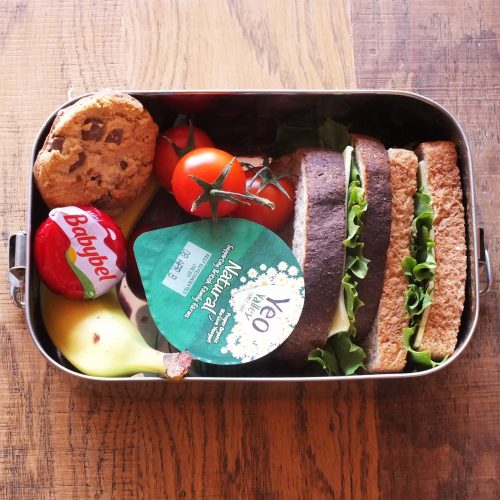 Image source: elephantbox.co.uk
There are companies popping up everywhere now that are focussed on cutting down our use of plastic. Elephant Box is a company that makes metal lunchboxes and related products, so you can take your lunch to work without using plastic in a container that’ll last longer and is easy to clean and chuck into a bag. Putting your sandwich in there means you won’t need to keep replacing your less durable, plastic lunchboxes.
Plastic water bottles are a menace to the ocean, and are also said to be a bacteria-fest if reused too many times, too! To avoid getting in situations where we’re thirsty when we’re out and about and have no choice but to buy one, it’s worth carrying around a metal or glass water bottle that you can take with you everywhere and can be used safely time and time again.
Take a leftovers box with you
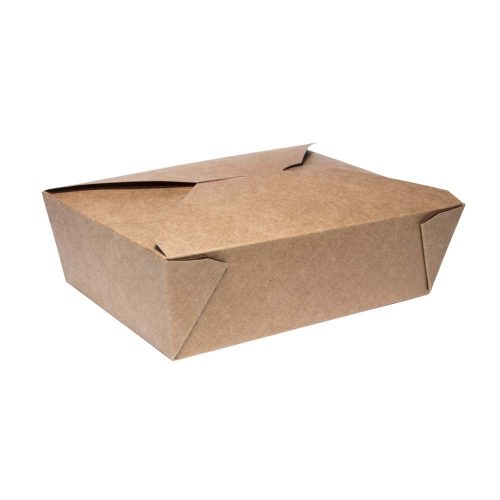 Image Source: packagingenvironmental.co.uk
If you often end up unable to eat your entire meal in a restaurant, consider taking your own container in case you need to take some leftovers home. Otherwise you might end up with yet another plastic container to add to your already large stash. If you’ve got a few to spare, take one with you and ask the serving staff to put it in your own container. A bonus is that you’ve already got your lunch packed for the next day!